Follow My Instagram

Showing posts with label skinny. Show all posts

Thursday, 1 September 2011

5 Health Problems Caused by Being Too Thin

The United States is in the midst of an obesity epidemic. As a result, the media is full of stories about how to eat and exercise so that we can lose weight and avoid health problems such as diabetes, heart disease, stroke and cancer.

Because obesity is so prominent, we often avoid the people on the other side of the scale -- the underweight. And we're not talking about people with eating disorders or dangerous habits such as smoking that keep them thin; in this article, we're concerned about those who just can't put on any weight no matter how hard they try. We might write these people off and say they're lucky that they don't have to worry about their skinny jeans fitting, but as it turns out, people with a body mass index (BMI) of less than 18.5 have their own set of health problems to worry about.

Sunday, 12 July 2009

My Disorder

There is a monster living deep inside of me.
He eats my insides making me feel hungry.
I try to fill the void that he leaves inside.
No matter how much I bury him,
He just wont die.

I know the problem,
So why cant I stop?
I eat and eat until I feel my insides rot.
I beat myself with guilt,
Every time I let that monster win.
But when I'm done feeling sorry for myself,
The cycle begins all over again.

I get called so many vile names because I'm fat.
You'd think I'd want to stop just because of that.
But the pain people cause just makes me crave more.
I find myself hiding behind the refrigerator door.

I can't go on living this lie.
I am tired of drowning the pain,
That I try to hide.
My secret is tearing me apart.
Because no amount of food in the world,
Will satisfy my starving heart.

By: Kimberly, 2009

You Are What You Eat


For many, springtime means revamping exercise regimens, improving appearance, reading more books, taking on a new hobby, and improving dietary habits.

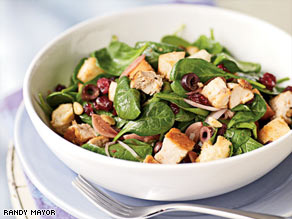
Vegetables, like spinach are key to keeping your heart in prime condition and building better bones.

Great news is that following good-for-you food goals will help your whole body -- from your skin to your brain -- so you can tackle those other resolutions with ease.
"The best way to have healthy hair, eyes, and skin is to take good overall care of yourself. That means eating well," said Dr. David L. Katz, director of the Yale Prevention Research Center at Yale University. So whether it's your heart, brain, bones, eyes, skin, or hair you seek to nurture, there are foods up to the task.
"The more colors you get into your diet, the better," Katz said. A variety of fruits and vegetables supplies antioxidants and vitamins that are most powerful when working together. Daily servings of whole grains, lean protein, and dairy round out your body's needs. A diet rich in fresh, whole foods, full of colors and rich textures, satisfies with abundant flavor, and nourishes every part of your body.

For Silky Skin and Hair
Antioxidants like lycopene and vitamin C, as well as soy protein and omega-3 fatty acids, help keep skin glowing. Antioxidants have long been the rage in topical skin care, but those same nutrients work even better from the inside out. When skin (the body's largest organ) is exposed to the sun's rays, free radicals can develop, Katz explained. "These free radicals attack the skin and impair blood flow to the area, causing premature aging. Antioxidants fight that process."
Vitamin C, found in citrus fruits, facilitates collagen production, a critical component for vibrant skin. Another antioxidant, lycopene, found in foods like canned tomatoes and red grapefruit juice, also promotes skin health. Tofu is a good option since its omega-3 fatty acids help regenerate new skin cells and reduce inflammation, while its soy protein has been shown to boost collagen.
Shiny, healthy hair starts with the vitality of cells in the hair follicle, where hair is manufactured, says Katz. Eat foods high in calcium and quality protein like eggs, dairy, or fish. Eggs also provide biotin, a structural component of both bone and hair. Vitamins B6, B12, and folate nourish follicle cells, too.

Eat For Your Eyes
According to a study published in the Archives of Ophthalmology, people who ate two servings of fish weekly benefited from an almost 50 percent decrease in the risk of age-related macular degeneration (AMD), said Dr. Emily Chew, deputy director of the division of epidemiology and clinical research at the National Eye Institute. Eggs, leafy greens, broccoli, winter squash, and Brussels sprouts all contain the antioxidants lutein and zeaxanthin (both associated with eye health), as well as vitamins C and E, zinc, and beta-carotene.
Scientists are still investigating how these foods promote eye health. Observational studies show they likely reduce the risk of AMD, Chew said. No one knows exactly what lutein and zeaxanthin do for the eye, but it's thought they filter damaging light and support cell structure. Expect more answers in 2012, when Chew and colleagues hope to publish research on the effects of lutein, zeaxanthin, and omega-3 fatty acids from a study following 4,000 patients for five years.

Build Better Bones
Calcium, vitamin D, and phosphorus work together to build strong bones. Even though green leafy and cruciferous vegetables (like spinach and broccoli) contain calcium, the body absorbs it best from dairy products, said Joan Lappe, a bone health researcher and professor at Creighton University in Omaha, Nebraska.
Dairy products offer a package deal: they are abundant in phosphorous, and vitamin D added to milk and dairy products aids in calcium absorption. Some nondairy foods high in calcium include canned salmon, sardines, and calcium-fortified firm tofu. Greens are still good bone foods, however. Broccoli, kale, and bok choy may provide little calcium, but they offer plenty of vitamin K. Research is showing promise that vitamin K -- or some antioxidant or phytochemical in foods high in the vitamin -- boosts bone mineralization. Research published last year in Osteoporosis International followed postmenopausal women for three years, and found that those taking supplemental vitamin K maintained or enhanced bone strength, compared to those on a placebo.

Heart Helpers
Whole grains, fatty fish, and fresh fruits and vegetables are the keys to keeping your heart in prime condition.
A recent review of seven studies showed that two and a half servings of whole grains per day reduced heart attack and stroke risk by 21 percent, said lead author Dr. Philip Mellen, then an assistant professor at the Wake Forest School of Medicine in Winston-Salem, North Carolina. Whole grains are rich in antioxidants, especially vitamin E (also found in almonds, peanuts, and green leafy vegetables), which helps maintain healthy blood vessels. And soluble fiber from fruits, vegetables, and nuts helps lower harmful LDL cholesterol and control weight, both of which have a positive impact on heart health.
Further cut your risk of a heart attack by eating fish, especially those high in the omega-3 polyunsaturated fats like salmon, mackerel, or rainbow trout. Omega-3s make platelets in the blood less sticky, reducing clotting and the likelihood of a heart attack. Brain Boosters
Omega-3 fatty acids and whole grains are good for your heart -- and they're good for your brain and mental health, too. "People who are heart healthy are brain healthy," said Dr. Joseph S. Kass, assistant professor of neurology at Baylor College of Medicine in Houston, Texas.

Friday, 25 July 2008

Thinspiration Foods... Stay Skinny

Negative Calorie Foods:
are foods that require more calories to digest than are in the actual food. Cool, huh? You can eat the following foods in (almost) unlimited quantities and still not gain weight!

apples
apricots
artichokes
asparagus
beets
blackberries
blueberries
brocoli
brussel sprouts
buffalo fish
cabbage
cantaloupe
carrots
cauliflower
celeraic
celery
cherries
chervil
chicory
Chinese cabbage
chives
clams
cod
corn
crabs
cranberries
cucumbers
currants
damson
dandelion
eggplant
endive
flounder
frog legs
garlic
grapefruit
grapes
green beans
honeydew melon
huckleberries
kale
kiwi
kohlrabi
kumquats
leeks
lemons
lettuce
limes
lobster
loganberries
mangoes
mushrooms
muskmelons
mussels
mustard greens
nectarine
okra
onions
orange
oysters
papaya
parley leaves
parsnips
peach

pear
peas
peppers
pineapple
plum
pomegranates
prunes
pumpkin
quince
radishes
raspberries
red cabbage
rhubarb
rutabagas
salsify
sauerkraut
scallions
sea bass
shrimp
sorrel
spinach
squash
strawberries
string beans
tangerine
terrapin
tomato
turnips
watercress
watermelon
zucchini


The following are foods that I consider to be "safe," or at least not all that bad.

Pria Powerbars (all flavors) - 110 cals, lots of vitamins and minerals, plus they give you energy.
Diet Sodas - NO CALORIES!!!
Good Humor Lowfat Fudgecicles - 45 cals! Great for releaving chocolate cravings.
Sugar-Free Jell-O - I love this stuff. Only 10 cals per serving.
Green Tea - No speakable calories, but it helps boost metabolism and flush out toxins.
Everlasting Gobstoppers - 9 of these have only 50 calories. Since they last so long, you can spread them out over an entire day!
Chicken bullion instant soup cubes - Only 5 cals per cube, which makes one cup of soup to keep you full.
Puffed Rice Cereal - Kashi makes a good one with 70 cals per cup. Tasty and high-fiber, too.
Nonfat Soy Milk - 70 cals, 0 grams of fat per serving. Compare to 90 cals per serving of nonfat / skim cow's milk.


BMI Manual Calculation & Chart

1) Take your weight and multiply by 704.7

2) Take that number and divide it by your height squared (see below)

height squared:
5'0" = 3600
5'1" = 3721
5'2" = 3844
5'3" = 3969
5'4" = 4096
5'5" = 4225
5'6" = 4356
5'7" = 4489
5'8" = 4624
5'9" = 4761
5'10" = 4900
5'11" = 5041


3) The remaining number is your BMI

4) Now look below to find how you measure up:


Emaciated = UNDER 15 BMI
Anorexic = Under 17.5 BMI
Underweight = Under 19 BMI
Normal = 19 - 24 BMI
Overweight = 25 - 29 BMI
Obese = +29 BMI


Skinny Tips... Thinspirational Info

The Best Tips:

Everyone knows the keys to losing weight: Eat less and exercise more. Sounds simple enough, but in the context of real life and its demands, it can be anything but simple. So how do successful losers do it? To find out, WebMD asked experts across the country for their best diet tips.

Here's what they said:
Best Diet Tip No. 1: Drink plenty of water or other calorie-free beverages.

People sometimes confuse thirst with hunger. So you can end up eating extra calories when an ice-cold glass of water is really what you need.

"If you don’t like plain water, try adding citrus or a splash of juice, or brew infused teas like mango or peach, which have lots of flavor but no calories," says Cynthia Sass, RD, a spokeswoman for the American Dietetic Association.
Best Diet Tip No. 2: Think about what you can add to your diet, not what you should take away.

Start by focusing on getting the recommended 5-9 servings of fruits and vegetables each day.

"It sounds like a lot, but it is well worth it, because at the same time you are meeting your fiber goals and feeling more satisfied from the volume of food," says chef Laura Pansiero, RD.

You're also less likely to overeat because fruits and vegetables displace fat in the diet. And that's not to mention the health benefits of fruits and vegetables. More than 200 studies have documented the disease-preventing qualities of phytochemicals found in produce, says Pansiero.

Her suggestion for getting more: Work vegetables into meals instead of just serving them as sides on a plate.

"I love to take seasonal vegetables and make stir-fries, frittatas, risotto, pilafs, soups, or layer on sandwiches," Pansiero says. "It is so easy to buy a variety of vegetables and incorporate them into dishes."
Best Diet Tip No. 3: Consider whether you're really hungry.

Whenever you feel like eating, look for physical signs of hunger, suggests Michelle May, MD, author of Am I Hungry?

"Hunger is your body’s way of telling you that you need fuel, so when a craving doesn’t come from hunger, eating will never satisfy it," she says.

When you're done eating, you should feel better -- not stuffed, bloated, or tired.

"Your stomach is only the size of your fist, so it takes just a handful of food to fill it comfortably," says May.

Keeping your portions reasonable will help you get more in touch with your feelings of hunger and fullness.
Best Diet Tip No. 4: Be choosy about nighttime snacks.

Mindless eating occurs most frequently after dinner, when you finally sit down and relax.

"Sitting down with a bag of chips or cookies in front of the television is an example of eating amnesia, where you mindlessly eat without being hungry, but out of habit," says American Dietetic Association spokesperson Malena Perdomo, RD.

Either close down the kitchen after a certain hour, or allow yourself a low-calorie snack, like a 100-calorie pack of cookies or a half-cup scoop of low-fat ice cream. Once you find that you're usually satisfied with the low-cal snack, try a cup of zero-calorie tea, suggests Perdomo.
Best Diet Tip No. 5: Enjoy your favorite foods.

"I think putting your favorite foods off limits leads to weight gain because it triggers 'rebound' overeating," says Sass.

Instead of cutting out your favorite foods altogether, be a slim shopper. Buy one fresh bakery cookie instead of a box, or a small portion of candy from the bulk bins instead of a whole bag.

"You can enjoy your favorite foods, but you must do so in moderation," says Sass.

Best Diet Tip No. 6: Enjoy your treats away from home.

When you need a treat, Ellie Krieger, RD, host of Food Network’s Healthy Appetite, suggests taking a walk to your local ice cream parlor or planning a family outing.

"By making it into an adventure, you don’t have to worry about the temptation of having treats in the house, and it is a fun and pleasurable way to make it work when you are trying to lose weight," says Krieger.

And for those times you just can't get out? Krieger stocks her kitchen with fresh fruit, which she thinks can be every bit as delicious as any other dessert.
Best Diet Tip No. 7: Eat several mini-meals during the day.

If you eat fewer calories than you burn, you will lose weight. But when you're hungry all the time, eating fewer calories can be challenging.

"Studies show people who eat 4-5 meals or snacks per day are better able to control their appetite and weight," says obesity researcher Rebecca Reeves, DrPH, RD.

She recommends dividing your daily calories into smaller meals or snacks and enjoying as many of them as you can early in the day -- dinner should be the last time you eat.
Best Diet Tip No. 8: Eat protein at every meal.

Protein is more satisfying than carbohydrates or fats, and thus may be the new secret weapon in weight control.

"Diets higher in protein [and] moderate in carbs, along with a lifestyle of regular exercise, have an excellent potential to help weight loss," says University of Illinois protein researcher Donald Layman, PhD.

Getting enough protein helps preserve muscle mass and encourages fat burning while keeping you feeling full. So be sure to include healthy protein sources, like yogurt, cheese, nuts, or beans, at meals and snacks.
Best Diet Tip No. 9: Spice it up.

Add spices or chiles to your food for a flavor boost that can help you feel satisfied.

"Food that is loaded with flavor will stimulate your taste buds and be more satisfying so you won’t eat as much," says Perdomo.

When you need something sweet, suck on a red-hot fireball candy for a long-lasting burst of sweetness with just a few calories.
Best Diet Tip No. 10: Stock your kitchen with healthy convenience foods.

Having ready-to-eat snacks and meals-in-minutes staples on hand sets you up for success. You'll be less likely to hit the drive-through or call in a pizza order if you can make a healthy meal in 5 or 10 minutes.

Sass stocks her kitchen with:

* 94% fat-free microwave popcorn (20-25 calories per cup, and you can make it in two minutes or less)
* Frozen vegetables
* Bags of pre-washed greens
* Canned diced tomatoes
* Canned beans
* Whole-grain wraps or pitas
* Pre-cooked grilled chicken breasts
* A few containers of pre-cooked brown rice

Within minutes, she can toss together a healthy medley.
Best Diet Tip No. 11: Order children’s portions at restaurants.

"When you are eating out, order a child’s pizza or a small sandwich as an easy way to trim calories and get your portions under control," suggest Perdomo.

Another trick is to use smaller plates. This helps the portions look like more, and if your mind is satisfied, your stomach likely will be, too.
Best Diet Tip No. 12: Eat foods in season.

"If you don’t love certain fruits or vegetables, it could be because you ate them out of season when they have little taste or flavor," says Pensiero. "When you eat seasonally, fruits and vegetables are more flavorful, at their best, and I promise you won’t be disappointed."

At GiGi’s Trattoria, her restaurant in Rhinebeck, N.Y., she serves simple fruit desserts, like naturally sweet strawberries topped with aged balsamic vinegar, or low-fat yogurt or fresh berries in a compote.
Best Diet Tip No. 13: Swap a cup of pasta for a cup of vegetables.

Simply by eating less pasta or bread and more veggies, you could lose a dress or pants size in a year.

"You can save from 100-200 calories if you reduce the portion of starch on your plate and increase the amount of vegetables," says Sass.

Best Diet Tip No. 14: Use non-food alternatives to cope with stress.

Sooner or later, you're going to be faced with a stressful situation. Instead of turning to food for comfort, be prepared with some non-food tactics that work for you.

Sass suggests reading a few chapters in a novel, listening to music, writing in a journal, practicing meditative deep breathing, or looking at a photo album of loved ones.
Best Diet Tip No. 15: Be physically active.

Although it may seem counterintuitive, don’t use exercise either to punish yourself for eating or to "earn"

General tips

Apple cider vinegar improves digestion, suppresses appetite and raises the metabolism. Can be taken in water or juice.
When you’re hungry have Metamucil or benefibre. You just have it with water, juice, tea or coffee and it makes you feel full. It also gets food that you may have eaten through your system faster!
Almonds stop bad fats from entering your system
There are some great dieters teas on the market, check them out!
juice fasts work really well
change your exercise routine so you don’t get bored
take a multi vitamin to give you the nutrients you need
Chew sugar free gum. It burns calories and makes your body think you’re eating!
keep checking up on pro ana sites they keep you motivated
Drink ice water. It burns calories, contains none and keeps you hydrated which will prevent you from fainting
Eat off a black plate, the colour black makes you less hungry
Eat off a small plate, you won’t eat as much
The smell of coffee makes you feel full
eat lots of celery it contains negative calories
Spin around in circles. It curbs your appetite
chew food then spit it out when no one is watching
Green tea helps you lose weight
Interval training helps your burn fat
fidget. You’d be surprised how many calories it burns
hot peppers boost your metabolism
caffeine increases heart rate and metabolism
lie on your left side, it aids digestion
cleaning burns heaps of calories
making your website distracts you and motivates at the same time
dance, its great for fat loss
Do your nails. You won’t want to get food on them!
don’t keep bad food in the cupboard
have a diet buddy
sex burns calories
Distraction tips
Take a shower/have a bath
Brush your teeth
Exercise
make a face mask that goes hard as it dries
buy a fashion magazine - walk to buy it
clean something discusting
sew or knit
read
watch a movie
get a job
do homework/housework
go shopping
go to a friends house
look at yourself in the mirror
see how much water you can drink
Feel Full
Drink more fluids during a small meal. For every time you lift a fork, take a sip of water. This way, the people at the dinner table will feel like you're eating, and you aren't consuming as much food.

Drink a tall glass of ice cold water to burn more calories. You're body burns calories because it needs to adjust with the cold temperature. Besides, water provides volume but not calories.

Drink a steaming cup of hot tea/water to feel fuller. Green tea is especially recommended; it might not taste as great as other teas but one of the most beneficial.

Drink a steaming cup of coffee. It'll curb your appetite, give you a wake up call (ie. caffeine) and make you feel full. This is good for mornings. Drink it with an apple or small portion of food to jump start your metabolism.

Eat food with lots of fiber in it. It helps because your system takes longer to digest fiber, which helps you feel fuller, longer. Research even shows that eating an additional 14 grams of fiber per day is associated with a 10 percent decrease in calorie intake and a loss of body weight of a four pounds in four months.

When you feel the hunger pangs really kicking in, sample food, than spit it out. Pretend you're allowed to eat, when you're really not.

If you can't resist anymore and you need to eat, eat greens! Consume as much salad as you'd like, since it doesn't hold much calories anyway. Besides, it's good for you!

Eat more protein. A number of studies indicate that calories-for-calorie, protein makes a person feel more full than carbohydrates or fats.

Eat more water-rich fruits, vegetables, and soups

Choose broth-based soups as a meal. Fewer in calories, but warm and filling.
Anorexia Tips
Anorexia Tips

Only fun going out to eat? Go to a farmer's market and buy fresh fruit! It's always fun, and gets rid of many excuses. for not eating right.

Instead of buying food, buy yourself flowers! Food is depressing, but flowers make you happy!

Exchange a bad habit for a good one - f.i., my boyfriend exchanged smoking for jogging every morning. This may be hard, but VERY rewarding if you can do it! Exchange eating for yoga, or meditation, or reading more.

Make yourself nauseas! You won't eat!

Think higher or yourself! You're too good to put THAT in your body!

Plan you goal out to the letter, then write out your plan for the day you reach your goal. What will you do first What will you buy???

Save the money you would have spent on that meal in a jar. Lunch cost $6.74? Save it in a bottle instead and watch it grow!

Subscribe to magazines! $10/ year for great thinspiration delivered to your door every month! I suggest Vogue, InStyle, and Cosmo.

Buy thin clothes, Keep them hanging in your closet next to your regular clothes & torture over the fact you can't get into them!

Eat vicariously. Watch other people eat, and feel superior!!! You don't need that food. They are feeding their fat bodies and they're getting fatter!!! You can see then growing!!! How repulsive.

Hot water: makes you feel warm and full inside.

Make a notebook of thinspiration - notes, letters, thoughts and especially PICTURES of your goal!


glitter-graphics.com

Wednesday, 25 June 2008

The Skinny on Dietary Fat and Lower-Fat Foods

Sometimes it seems as though dietary fat is the most important thing in everyone's lives. News-papers and magazines are filled with articles about the dangers of eating too many high-fat foods. Supermarket shelves overflow with reduced-, low- and non-fat foods, and virtually every person you talk to is trying to trim the fat from his or her diet! With all of this attention to fat, one would think that Americans are pretty well versed on the subject. Nevertheless, misconceptions about fat-especially about reduced-fat foods and their role in the diet-pop up frequently in conversations and articles on health. Here, with the help of some nutrition and food experts, are the facts with which to combat the "myth-information" about dietary fats and low-fat foods.

The following claims are defined for one serving:
Fat-free Less than 0.5 gram fat
Low fat 3 grams or less fat
Reduced or less fat At least 25% less fat*
Light One-third fewer calories and/or 50% less fat*
* As compared with a standard serving size of the traditional food

Myth:
Americans have successfully cut the amount of fat in their diets.
Fact:
While many of us could benefit if this were true, in actuality Americans are not eating less fat, but have decreased the percent of calories that comes from fat in our diets. This may sound like semantics, but it is not-there is a real explanation. According to Ronette Briefel, Dr.P.H., R.D., Senior Research Epidemiologist and Nutrition Policy Advisor at the National Center for Health Statistics, "Between the 1970s and the 1990s, Americans decreased their intake of total fat from about 37 percent of calories to about 34 percent of calories. Yet, during this same time period, average adult calorie intake increased by approximately 300 calories," adds Briefel. This increase in caloric consumption explains why the decline in percent of total calories from fat can be confusing. Fat consumption actually increased from around 81 grams per day in the late 1970s to about 83 grams per day in the early 1990s. As you can see, there is still room for improvement with regard to nutrition.
Myth:
Reduced-fat foods are always low in fat.
Fact:
These foods are definitely lower in fat, but that does not necessarily mean they are "low fat." To know the facts, read the nutrition label and compare the fat content of two similar products with the same serving size.
The Food and Drug Administration and the U.S. Department of Agriculture have set specific regulations on allowable product descriptions (see following table).

How Fat Replacers Can Help
Reduce Fat and Calorie Intake
This sample menu shows the difference in the fat and calories that foods containing fat replacers can make. Be savvy and sensible. Keep in mind that portion size still counts.

Regular Lunch
Calories Fat(g)
2 slices bread 130 2
1 oz. American Cheese 105 9
2 oz. bologna 180 17
1 tbs. mayonnaise 100 11
1 banana 105 0
2 chocolate cookies(30 grams) 140 6
760 45

Fat Replaced Lunch
2 slices bread 130 2
1 oz. reduced-fat cheese product 75 4
2 oz. fat-free bologna 40 0
1 tbs. low-fat mayonnaise/dressing 25 1
1 banana 105 0
2 reduced-fat chocolate cookies (30 grams) 120 3
495 10

Myth:
Fat-free and lower-fat foods are the solution to obesity.
Fact:
These foods can definitely play a part in an overall effort to lose weight, but consuming them will not undo a myriad of other dietary downfalls, or make up for a lack of physical activity. Successful weight loss-and weight maintenance-depends on achieving the right mix of diet and physical activity. To lose weight, you need to take in less energy (eat fewer calories) than you expend (or "work off") through physical activity. Combining dietary modifications to reduce calories and fat with a consistent physical activity plan is usually the most effective way to lose weight.
For many people, reducing their fat consumption is easier and more "painless" when they can substitute fat-free or lower-fat versions of foods for their regular-fat counterparts. Aside from the fact that a diet consisting mainly of fat-free and lower-fat foods will not guarantee slimness, experts remind us that a healthful diet is not defined by the number of fat-free foods it contains. "Healthful eating efforts need to shift from focusing only on fat-or its absence-to a combined focus on increasing nutrient density and reducing fat at the same time," says Bruce German, Ph.D., professor and John E. Kinsella Endowed Chair of the Department of Food Science and Technology, University of California-Davis. In other words, we should strive to consume foods that are not simply low in fat but are, on balance, high in nutrients. German explains one way to think about reduced-fat foods in this context: "The lack of fat in a food provides the eater with more opportunities to get nutrients from other foods, while keeping the fat content of the diet in line."

Myth:
Americans are getting fatter because they are overeating fat-free and low-fat foods.
Fact:
Americans do weigh more than their ancestors, and surveys indicate Americans are eating more calories. "However, the increase cannot be attributed to overeating fat-free and low-fat foods," according to Madeleine Sigman-Grant, Ph.D., R.D., associate professor of the Department of Food Science, the Pennsylvania State University. "There is a definite lack of data to support the idea that low-fat and fat-free foods are making us fatter. In fact, the increase in American obesity rates precedes the influx of fat-free and low-fat foods into the marketplace." Obesity occurs when far more calories are consumed than are used by the body. And the fact is, research shows that lower-fat, lower-calorie foods can help cut total calorie intake when they are eaten as part of a well-balanced and calorie-controlled diet.
So, if low-fat and fat-free foods have not "backfired" on those of us trying to lose weight, what is increasing our national girth? Many experts believe that a lack of daily physical activity is a major factor in the weight gain equation. According to Dr. Briefel, "Physical activity has not increased to a large extent in the population as a whole, as noted in the 1996 Surgeon General's Report on Physical Activity."

Myth:
Low-fat means low calorie.
Fact:
Not always. Reducing the amount of fat in a food does not necessarily mean it is lower in calories. In fact, a lower-fat food can have nearly as many calories as its higher-fat counterpart. How can this be? In order to manufacture fat-free and low-fat products that are acceptable to consumers in taste and consistency, other ingredients may be added or modified. The best bet is to refer to the Nutrition Facts panel on the product label. It lists fat and calorie content, as well as what portion size is considered a "serving." Also, make moderation a motto at mealtime-do not go overboard with any food, whether it is low in fat or not.
Myth:
Fat-free means taste free.
Fact:
If you have not tasted a fat-free food for some time, you probably remember the experience as somewhat less than satisfying. Food manufacturers acknowledge that many of the first fat-free products on the market did not meet consumers' taste expectations. However, the commitment to making good-tasting fat-free foods is clearly evident in today's marketplace, and has resulted in some undeniably tasty products.

If the thought of going "cold turkey" and switching from full-fat foods to some fat-free choices seems too drastic a dietary measure for you, try some of the reduced-fat and low-fat versions. A little fat can go a long way in adding both flavor and texture to a food. And do not make the mistake of thinking you need to take an all-or-nothing approach to reducing fat in your diet. Small decreases in fat consumption can make a very big difference in your diet and health.

Myth:
Not all calories are created equal.
Fact:
Simply put, a calorie is a calorie. Whether a calorie comes from fat, carbohydrate or protein, it is still a calorie. An important thing to remember is that "calories in" must equal "calories out," or you will gain (or lose) weight. Al-though research in the area is still ongoing, some studies have suggested that excess calories from fat are more easily converted to body fat, as opposed to excess calories from carbohydrate or protein. Nevertheless, a diet devoid of fat is not a healthy one-some dietary fat is necessary for good health.

Saturday, 21 June 2008

Eating Disorders

My eating disorder is spiraling out of control and I don't know how to stop...my depression has increased...increased to the point where I feel like I'm losing my mind. With my eating disorder, I fall under binge-eating disorder.

What Are Eating Disorders?
An eating disorder is marked by extremes. It is present when a person experiences severe disturbances in eating behavior, such as extreme reduction of food intake or extreme overeating, or feelings of extreme distress or concern about body weight or shape.

A person with an eating disorder may have started out just eating smaller or larger amounts of food than usual, but at some point, the urge to eat less or more spirals out of control. Eating disorders are very complex, and despite scientific research to understand them, the biological, behavioral and social underpinnings of these illnesses remain elusive.

The two main types of eating disorders are anorexia nervosa and bulimia nervosa. A third category is "eating disorders not otherwise specified (EDNOS)," which includes several variations of eating disorders. Most of these disorders are similar to anorexia or bulimia but with slightly different characteristics. Binge-eating disorder, which has received increasing research and media attention in recent years, is one type of EDNOS.

Eating disorders frequently appear during adolescence or young adulthood, but some reports indicate that they can develop during childhood or later in adulthood. Women and girls are much more likely than males to develop an eating disorder. Men and boys account for an estimated 5 to 15 percent of patients with anorexia or bulimia and an estimated 35 percent of those with binge-eating disorder. Eating disorders are real, treatable medical illnesses with complex underlying psychological and biological causes. They frequently co-exist with other psychiatric disorders such as depression, substance abuse, or anxiety disorders. People with eating disorders also can suffer from numerous other physical health complications, such as heart conditions or kidney failure, which can lead to death.

Eating disorders are treatable diseases
Psychological and medicinal treatments are effective for many eating disorders. However, in more chronic cases, specific treatments have not yet been identified.

In these cases, treatment plans often are tailored to the patient's individual needs that may include medical care and monitoring; medications; nutritional counseling; and individual, group and/or family psychotherapy. Some patients may also need to be hospitalized to treat malnutrition or to gain weight, or for other reasons.

Anorexia Nervosa
Anorexia nervosa is characterized by emaciation, a relentless pursuit of thinness and unwillingness to maintain a normal or healthy weight, a distortion of body image and intense fear of gaining weight, a lack of menstruation among girls and women, and extremely disturbed eating behavior. Some people with anorexia lose weight by dieting and exercising excessively; others lose weight by self-induced vomiting, or misusing laxatives, diuretics or enemas.

Many people with anorexia see themselves as overweight, even when they are starved or are clearly malnourished. Eating, food and weight control become obsessions. A person with anorexia typically weighs herself or himself repeatedly, portions food carefully, and eats only very small quantities of only certain foods. Some who have anorexia recover with treatment after only one episode. Others get well but have relapses. Still others have a more chronic form of anorexia, in which their health deteriorates over many years as they battle the illness.

According to some studies, people with anorexia are up to ten times more likely to die as a result of their illness compared to those without the disorder. The most common complications that lead to death are cardiac arrest, and electrolyte and fluid imbalances. Suicide also can result.

Many people with anorexia also have coexisting psychiatric and physical illnesses, including depression, anxiety, obsessive behavior, substance abuse, cardiovascular and neurological complications, and impaired physical development.

Other symptoms may develop over time, including:

thinning of the bones (osteopenia or osteoporosis)
brittle hair and nails
dry and yellowish skin
growth of fine hair over body (e.g., lanugo)
mild anemia, and muscle weakness and loss
severe constipation
low blood pressure, slowed breathing and pulse
drop in internal body temperature, causing a person to feel cold all the time
lethargy
TREATING ANOREXIA involves three components:

restoring the person to a healthy weight;
treating the psychological issues related to the eating disorder; and
reducing or eliminating behaviors or thoughts that lead to disordered eating, and preventing relapse.
Some research suggests that the use of medications, such as antidepressants, antipsychotics or mood stabilizers, may be modestly effective in treating patients with anorexia by helping to resolve mood and anxiety symptoms that often co-exist with anorexia. Recent studies, however, have suggested that antidepressants may not be effective in preventing some patients with anorexia from relapsing. In addition, no medication has shown to be effective during the critical first phase of restoring a patient to healthy weight. Overall, it is unclear if and how medications can help patients conquer anorexia, but research is ongoing.

Different forms of psychotherapy, including individual, group and family-based, can help address the psychological reasons for the illness. Some studies suggest that family-based therapies in which parents assume responsibility for feeding their afflicted adolescent are the most effective in helping a person with anorexia gain weight and improve eating habits and moods.

Shown to be effective in case studies and clinical trials, this particular approach is discussed in some guidelines and studies for treating eating disorders in younger, nonchronic patients.

Others have noted that a combined approach of medical attention and supportive psychotherapy designed spe-cifically for anorexia patients is more effective than just psychotherapy. But the effectiveness of a treatment depends on the person involved and his or her situation. Unfortunately, no specific psychotherapy appears to be consistently effective for treating adults with anorexia. However, research into novel treatment and prevention approaches is showing some promise. One study suggests that an online intervention program may prevent some at-risk women from developing an eating disorder.

Bulimia Nervosa
Bulimia nervosa is characterized by recurrent and frequent episodes of eating unusually large amounts of food (e.g., binge-eating), and feeling a lack of control over the eating. This binge-eating is followed by a type of behavior that compensates for the binge, such as purging (e.g., vomiting, excessive use of laxatives or diuretics), fasting and/or excessive exercise.

Unlike anorexia, people with bulimia can fall within the normal range for their age and weight. But like people with anorexia, they often fear gaining weight, want desperately to lose weight, and are intensely unhappy with their body size and shape. Usually, bulimic behavior is done secretly, because it is often accompanied by feelings of disgust or shame. The binging and purging cycle usually repeats several times a week. Similar to anorexia, people with bulimia often have coexisting psychological illnesses, such as depression, anxiety and/or substance abuse problems. Many physical conditions result from the purging aspect of the illness, including electrolyte imbalances, gastrointestinal problems, and oral and tooth-related problems.

Other symptoms include:

chronically inflamed and sore throat
swollen glands in the neck and below the jaw
worn tooth enamel and increasingly sensitive and decaying teeth as a result of exposure to stomach acids
gastroesophageal reflux disorder
intestinal distress and irritation from laxative abuse
kidney problems from diuretic abuse
severe dehydration from purging of fluids
As with anorexia, TREATMENT FOR BULIMIA often involves a combination of options and depends on the needs of the individual.

To reduce or eliminate binge and purge behavior, a patient may undergo nutritional counseling and psychotherapy, especially cognitive behavioral therapy (CBT), or be prescribed medication. Some antidepressants, such as fluoxetine (Prozac), which is the only medication approved by the U.S. Food and Drug Administration for treating bulimia, may help patients who also have depression and/or anxiety. It also appears to help reduce binge-eating and purging behavior, reduces the chance of relapse, and improves eating attitudes.

CBT that has been tailored to treat bulimia also has shown to be effective in changing binging and purging behavior, and eating attitudes. Therapy may be individually oriented or group-based.

Binge-Eating Disorder
Binge-eating disorder is characterized by recurrent binge-eating episodes during which a person feels a loss of control over his or her eating. Unlike bulimia, binge-eating episodes are not followed by purging, excessive exercise or fasting. As a result, people with binge-eating disorder often are overweight or obese. They also experience guilt, shame and/or distress about the binge-eating, which can lead to more binge-eating.

Obese people with binge-eating disorder often have coexisting psychological illnesses including anxiety, depression, and personality disorders. In addition, links between obesity and cardiovascular disease and hypertension are well documented.

TREATMENT OPTIONS FOR BINGE-EATING DISORDER are similar to those used to treat bulimia. Fluoxetine and other antidepressants may reduce binge-eating episodes and help alleviate depression in some patients.

Patients with binge-eating disorder also may be prescribed appetite suppressants. Psychotherapy, especially CBT, is also used to treat the underlying psychological issues associated with binge-eating, in an individual or group environment.

FDA Warnings On Antidepressants
Despite the relative safety and popularity of SSRIs and other antidepressants, some studies have suggested that they may have unintentional effects on some people, especially adolescents and young adults. In 2004, the Food and Drug Administration (FDA) conducted a thorough review of published and unpublished controlled clinical trials of antidepressants that involved nearly 4,400 children and adolescents. The review revealed that 4% of those taking antidepressants thought about or attempted suicide (although no suicides occurred), compared to 2% of those receiving placebos.

This information prompted the FDA, in 2005, to adopt a "black box" warning label on all antidepressant medications to alert the public about the potential increased risk of suicidal thinking or attempts in children and adolescents taking antidepressants. In 2007, the FDA proposed that makers of all antidepressant medications extend the warning to include young adults up through age 24. A "black box" warning is the most serious type of warning on prescription drug labeling.

The warning emphasizes that patients of all ages taking antidepressants should be closely monitored, especially during the initial weeks of treatment. Possible side effects to look for are worsening depression, suicidal thinking or behavior, or any unusual changes in behavior such as sleeplessness, agitation, or withdrawal from normal social situations. The warning adds that families and caregivers should also be told of the need for close monitoring and report any changes to the physician. The latest information from the FDA can be found on their Web site at www.fda.gov.

Results of a comprehensive review of pediatric trials conducted between 1988 and 2006 suggested that the benefits of antidepressant medications likely outweigh their risks to children and adolescents with major depression and anxiety disorders.28 The study was funded in part by the National Institute of Mental Health.

How Are Men And Boys Affected?
Although eating disorders primarily affect women and girls, boys and men are also vulnerable. One in four preadolescent cases of anorexia occurs in boys, and binge-eating disorder affects females and males about equally.

Like females who have eating disorders, males with the illness have a warped sense of body image and often have muscle dysmorphia, a type of disorder that is characterized by an extreme concern with becoming more muscular. Some boys with the disorder want to lose weight, while others want to gain weight or "bulk up." Boys who think they are too small are at a greater risk for using steroids or other dangerous drugs to increase muscle mass.

Boys with eating disorders exhibit the same types of emotional, physical and behavioral signs and symptoms as girls, but for a variety of reasons, boys are less likely to be diagnosed with what is often considered a stereotypically "female" disorder.

How Are We Working To Better Understand And Treat Eating Disorders?
Researchers are unsure of the underlying causes and nature of eating disorders. Unlike a neurological disorder, which generally can be pinpointed to a specific lesion on the brain, an eating disorder likely involves abnormal activity distributed across brain systems. With increased recognition that mental disorders are brain disorders, more researchers are using tools from both modern neuroscience and modern psychology to better understand eating disorders.

One approach involves the study of the human genes. With the publication of the human genome sequence in 2003, mental health researchers are studying the various combinations of genes to determine if any DNA variations are associated with the risk of developing a mental disorder. Neuroimaging, such as the use of magnetic resonance imaging (MRI), may also lead to a better understanding of eating disorders.

Neuroimaging already is used to identify abnormal brain activity in patients with schizophrenia, obsessive-compulsive disorder and depression. It may also help researchers better understand how people with eating disorders process information, regardless of whether they have recovered or are still in the throes of their illness.

Conducting behavioral or psychological research on eating disorders is even more complex and challenging. As a result, few studies of treatments for eating disorders have been conducted in the past. New studies currently underway, however, are aiming to remedy the lack of information available about treatment.

Researchers also are working to define the basic processes of the disorders, which should help identify better treatments. For example, is anorexia the result of skewed body image, self esteem problems, obsessive thoughts, compulsive behavior, or a combination of these? Can it be predicted or identified as a risk factor before drastic weight loss occurs, and therefore avoided?

These and other questions may be answered in the future as scientists and doctors think of eating disorders as medical illnesses with certain biological causes. Researchers are studying behavioral questions, along with genetic and brain systems information, to understand risk factors, identify biological markers and develop medications that can target specific pathways that control eating behavior. Finally, neuroimaging and genetic studies may also provide clues for how each person may respond to specific treatments.